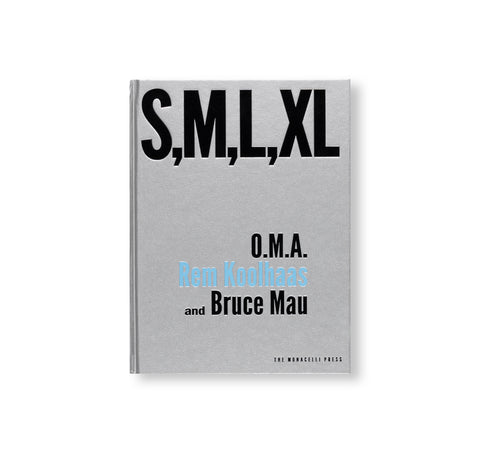
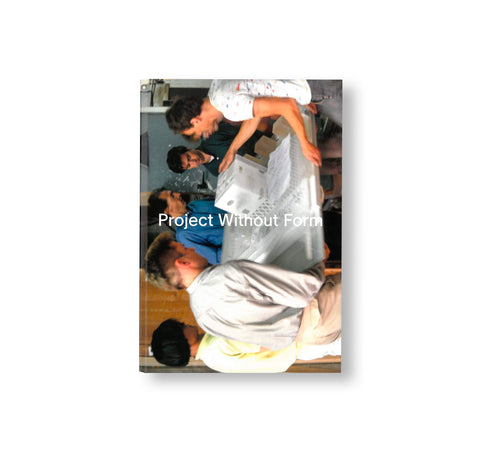
KOOLHAAS/OBRIST. PROJECT JAPAN. METABOLISM TALKS by Rem Koolhaas, Hans Ulrich Obrist
プリツカー賞受賞の建築家であるレム・コールハース(Rem Koolhaas)と、キュレーターであり、ロンドン「Serpentine Galleries」のアーティスティック・ディレクターを務めるハンス・ウルリッヒ・オブリスト(Hans Ulrich Obrist)の作品集。編集は建築キュレーター、編集者である太田佳代子、編集者であり研究者、教育者であるジェームス・ウェストコットが務める。
戦後の東京で誕生した非西洋圏初の前衛建築運動「メタボリズム(Metabolism)」の歴史を編纂する本書は、豊富なインタビューと貴重な写真資料を通してその運動を紹介するとともに、都市が環境に応答しながら成長し、増殖し、変容していくという、グループが描いた未来志向のヴィジョンを明らかにする。
未来への回帰、そして戦後日本のヴィジョナリー・アーキテクチャー
「かつて戦争を遂行したひとつの国があった。しかし大陸を征服した後、その国自身は原子爆弾によって壊滅した。やがて勝者は敗者に民主主義を齎した。ひとりのヴィジョナリーに率いられた若き建築家、アーティスト、デザイナーたちにとって、自国の悲惨な状況は障害ではなく、計画し、思考するためのインスピレーションであった。彼らは互いにまったく異なる個性を持ちながらも、夢を実現するため緊密に協働した。その背後には、卓越した創造性を備えた官僚機構と、積極的に関与する国家の強力な支援があった。15年に及ぶ試行錯誤を経て、彼らは「メタボリズム」という新たな建築思想を世に送り出した。それは、都市や国土そのもののあり方を根本から問い直す壮大な構想であった。やがて新聞、雑誌、テレビは建築家たちを英雄として取り上げる。思索し、行動する、徹底して現代的な人々として。たゆまぬ努力と規律、そしてあらゆる創造性の統合を通じて、日本は世界の模範となった。さらに、オイルショックが西洋中心主義の終焉の契機となったとき、日本の建築家たちは世界へと活動の場を広げ、ポスト・ウェスタンの美学の輪郭を形づくっていった。」— レム・コールハース、ハンス・ウルリッヒ・オブリスト
2005年から2011年にかけて二人は、日本の高度経済成長期の只中である1960年に東京で誕生した、非西洋圏初の前衛建築運動「メタボリズム」の関係者へのインタビューを行った。本書には、これまで公開される機会の少なかった数百点におよぶ資料を収録。満洲から東京にいたる都市計画案、制作現場や日常を捉えた写真、建築模型、雑誌資料、さらにはSF的な未来都市構想まで、多様な図版を通して20世紀日本の歴史を建築の視点から描き出す。
1930年代の満洲における都市計画から、戦後の荒廃した日本、1960年の「世界デザイン会議(World Design Conference)」における「メタボリズム」の結成、黒川紀章が建築家として広く注目を集めた時代、1970年大阪万博における運動の到達点、そして1970年代の中東・アフリカへの展開までを辿りながら、本書は建築が個人の関心事ではなく、社会全体に関わる公共的な実践であった時代を記録する。
・レム・コールハースとハンス・ウルリッヒ・オブリストによるオーラルヒストリーを収録
・磯崎新、加藤敏子、菊竹清訓、川添登、槇文彦、黒川紀章、榮久庵憲司、下河辺淳、丹下孝子、丹下憲孝らへの詳細なインタビューを掲載
・未公開図版を含む数百点の写真、建築模型、雑誌資料を収録
・オランダ人ブックデザイナー、イルマ・ボーム(Irma Boom)による装丁・レイアウトデザイン
Architect Rem Koolhaas and curator Hans Ulrich Obrist compile a history of Metabolism: the first non-Western avant-garde architecture, born out of postwar Tokyo. Extensive interviews and rare photographs introduce the movement and shed light on the group’s futuristic vision for the future; a dream of cities that would grow, reproduce, and transform in response to their environment.
Back to the Future
Visionary architecture in postwar Japan
“Once there was a nation that went to war, but after they conquered a continent their own country was destroyed by atom bombs... then the victors imposed democracy on the vanquished. For a group of apprentice architects, artists, and designers, led by a visionary, the dire situation of their country was not an obstacle but an inspiration to plan and think... although they were very different characters, the architects worked closely together to realize their dreams, staunchly supported by a super-creative bureaucracy and an activist state... after 15 years of incubation, they surprised the world with a new architecture—Metabolism—that proposed a radical makeover of the entire land... Then newspapers, magazines, and TV turned the architects into heroes: thinkers and doers, thoroughly modern men… Through sheer hard work, discipline, and the integration of all forms of creativity, their country, Japan, became a shining example... when the oil crisis initiated the end of the West, the architects of Japan spread out over the world to define the contours of a post-Western aesthetic....” —Rem Koolhaas / Hans Ulrich Obrist
Between 2005 and 2011, architect Rem Koolhaas and curator Hans Ulrich Obrist interviewed the surviving members of Metabolism—the first non-Western avant-garde, launched in Tokyo in 1960, in the midst of Japan’s postwar miracle. Project Japan features hundreds of never-before-seen images—master plans from Manchuria to Tokyo, intimate snapshots of the Metabolists at work and play, architectural models, magazine excerpts, and astonishing sci-fi urban visions—telling the 20th-century history of Japan through its architecture.
From the tabula rasa of a colonized Manchuria in the 1930s, a devastated Japan after the war, and the establishment of Metabolism at the 1960 World Design Conference in Tokyo to the rise of Kisho Kurokawa as the first celebrity architect, the apotheosis of Metabolism at Expo ’70 in Osaka, and its expansion into the Middle East and Africa in the 1970s: The result is a vivid documentary of the last moment when architecture was a public rather than a private affair.
・Oral history by Rem Koolhaas and Hans Ulrich Obrist
・Extensive interviews with Arata Isozaki, Toshiko Kato, Kiyonori Kikutake, Noboru Kawazoe, Fumihiko Maki, Kisho Kurokawa, Kenji Ekuan, Atsushi Shimokobe, and Takako and Noritaka Tange
・Hundreds of never-before-seen images, architectural models, and magazine excerpts
・Layout by award-winning Dutch designer Irma Boom


![KATSURA: IMPERIAL VILLA [2025 EDITION]](http://twelve-books.com/cdn/shop/files/00_594137f0-dbf5-4e60-afc4-1f4379c49691_large.jpg?v=1761028014)

![THE TOKYO TOILET BOOK [JAPANESE EDITION / SECOND PRINTING]](http://twelve-books.com/cdn/shop/files/01_673c9735-7d6c-4ecf-aaae-97e971c6b837_large.jpg?v=1709133569)
![THE TOKYO TOILET BOOK [ENGLISH EDITION / SECOND PRINTING]](http://twelve-books.com/cdn/shop/files/01_77e82085-945c-49fd-ad49-47fd4afc2c60_large.jpg?v=1709133564)



![REVUE CAHIERS D’ART, 2014, HIROSHI SUGIMOTO by Hiroshi Sugimoto [STANDARD EDITION]](http://twelve-books.com/cdn/shop/files/00_e4fe1c79-d85f-4048-8e8c-3bb3c011ad5c_large.jpg?v=1774581253)








![WALTER NIKKELS: DENKWERK by Walter Nikkels, Irma Boom [SIGNED / NUMBERED]](http://twelve-books.com/cdn/shop/files/2644_large.jpg?v=1740963710)



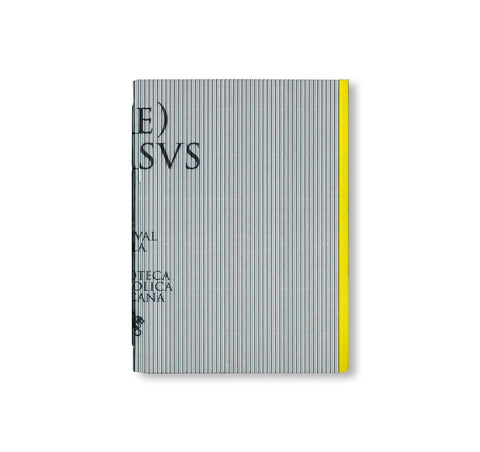
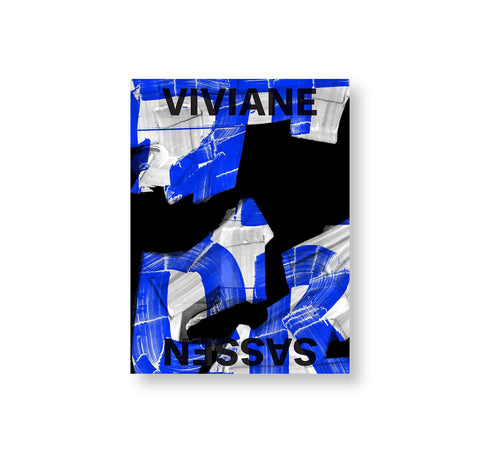
![IRMA BOOM for BIBLIOTECA APOSTOLICA VATICANA [SET]](http://twelve-books.com/cdn/shop/files/IRMABOOMforBIBLIOTECAAPOSTOLICAVATICANA_large.jpg?v=1689729271)
![FUTURISMOON AGENDA 2023 - VATICAN APOSTOLIC LIBRARY 2023 OFFICIAL DAILY PLANNER [LIMITED & COLLECTORS' EDITION]](http://twelve-books.com/cdn/shop/files/FUTURISMOONAGENDA_00_large.jpg?v=1689301882)



![S, M, L, XL by Rem Koolhaas [ANNIVERSARY EDITION]](http://twelve-books.com/cdn/shop/files/00_ffc6870e-db62-4284-be2a-751dac98c474_large.jpg?v=1762223858)
![GENERIC CITY by OMA, Rem Koolhaas [REPRINTED EDITION]](http://twelve-books.com/cdn/shop/files/00_bb30e1f5-ac6d-4b4f-b2f3-6c1bc474a1ee_large.jpg?v=1761528216)