KOOLHAAS. ELEMENTS OF ARCHITECTURE by Rem Koolhaas
プリツカー賞受賞の建築家であるレム・コールハース(Rem Koolhaas)の作品集。建築を顕微鏡で覗き込むように、その根本的な構成要素へと迫る一冊。あらゆる時代、あらゆる場所の建築家たちが用いてきた基本的な設計技法を明らかにし、一見すると不変に思える建築の要素が、実は絶えず進化を続けてきたことを示す。作者の構想のもと、「ハーバード大学デザイン大学院(Harvard Graduate School of Design)」との協働によって制作された本書は、建築を理解するための原初的なツールキットである。
建築を顕微鏡で見る
レム・コールハースによる建築の解剖学のための必携ツールキット
本書は、建築という豊かで複雑なコラージュを構成する断片に焦点を当てる。窓、ファサード、バルコニー、廊下、暖炉、階段、エスカレーター、エレベーター、トイレといった要素を取り上げ、それぞれに宿る建築ディテールのミクロな物語を掘り起こしていく。
その結果として現れるのは単一の建築史ではなく、建築の進化を形づくってきた起源、影響関係、類似性、差異が織りなす複雑なネットワークである。そこには技術革新、気候への適応、政治的判断、経済的条件、法規制、さらにはデジタル技術の発展といった多様な要因が関わっている。作者の言葉を借りれば、「私たちが知る建築が認識できないほどに変化しつつある今ほど、この本が重要な時代はなかった」のである。
本書は、「第14回ヴェネチア・ビエンナーレ国際建築展(2014年)」で大きな評価を得た作者の大規模展覧会をもとに、内容を更新・拡充したものである。世界中の建築を構成する基本要素を理解するための不可欠なツールキットとしてまとめられている。
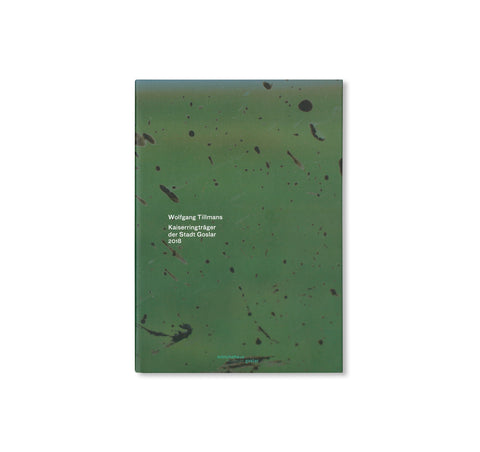
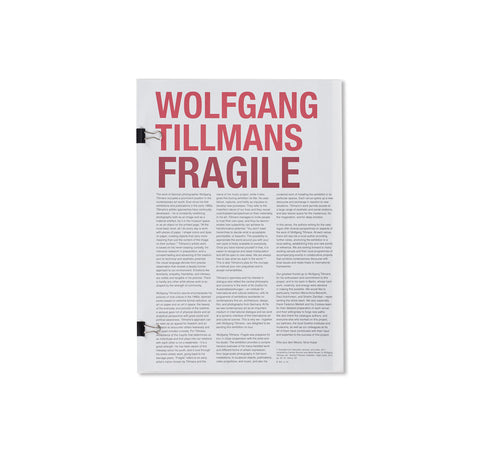
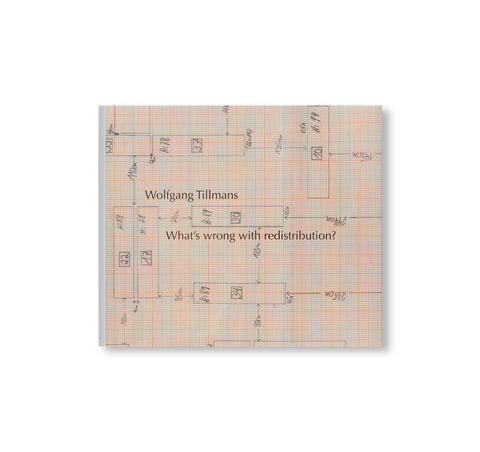
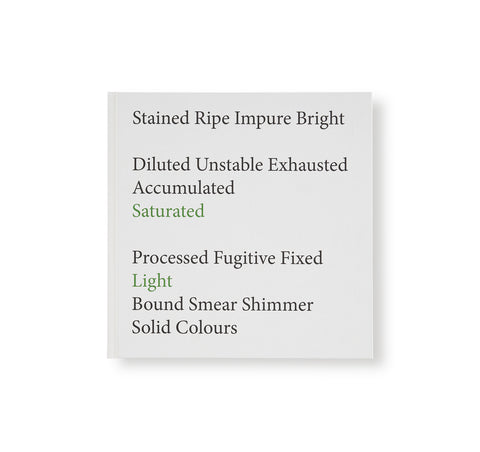
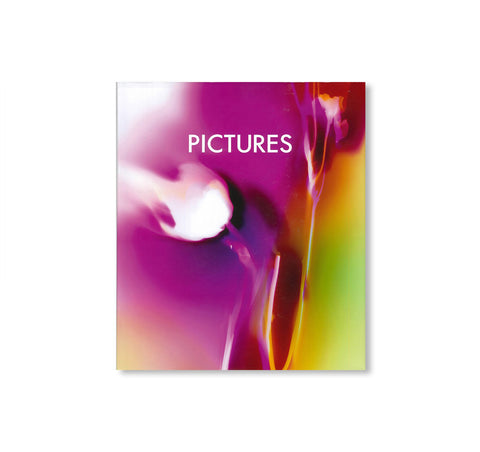
「ハーバード大学デザイン大学院」による研究成果を基盤とした全2,600ページにおよぶモノグラフには、作者、シュテファン・トゥルービー(Stephan Trüby)、ジェームズ・ウェストコット(James Westcott)、シュテファン・ペーターマン(Stephan Petermann)による論考を収録。さらに、構造エンジニアのヴェルナー・ソベック(Werner Sobek)と、「Nest」の創業者として知られるトニー・ファデル(Tony Fadell)へのインタビュー、そして写真家ヴォルフガング・ティルマンス(Wolfgang Tillmans)による特別フォトエッセイも掲載されている。ブックデザインはイルマ・ボーム(Irma Boom)が担当している。
本版はテキストの全面的な改訂と新たな図版の追加に加え、その主題の壮大なスケールを視覚的・物理的にも体現するよう設計されている。
・特注の分割背製本を採用。印刷会社は柔軟性のある8センチ厚の背を実現するため、工業用製本機を改良した。
・序文、目次、索引からなる新たな導入章を収録。独自の背構造によって自然に開く本の中央部に配置されている。
・イルマ・ボームのパリンプセスト(重層的な書き込み)のようなデザインを実現するため、適切な不透明度を備えた50gのOpakal紙を使用。
・各章には半透明のオーバーレイと、作者およびボームによる手書き注記を挿入し、読者が別の経路で素早く内容をたどれる構成としている。
・本来意図された100%の原寸サイズで印刷されており、細部まで高い可読性を確保している。
This collection is a look through the microscope at the real fundamentals of our buildings, revealing the essential design techniques used by any architect, anywhere, anytime. Conceived by Rem Koolhaas and made with the Harvard Graduate School of Design, it is a primordial toolkit to understanding how seemingly stable elements are actually in constant evolution.
Architecture under the microscope
Rem Koolhaas’s essential toolkit to building anatomies
Elements of Architecture focuses on the fragments of the rich and complex architectural collage. Window, façade, balcony, corridor, fireplace, stair, escalator, elevator and toilet: the book seeks to excavate the micro-narratives of building detail. The result is no single history, but rather the web of origins, contaminations, similarities, and differences in architectural evolution, including the influence of technological advances, climatic adaptation, political calculation, economic contexts, regulatory requirements, and new digital opportunities. It’s a guide that is long overdue—in Koolhaas’s own words, “Never was a book more relevant—at a moment where architecture as we know it is changing beyond recognition.”
Derived, updated, and expanded from Koolhaas’s exhaustive and much-lauded exhibition at the 2014 Venice Architecture Biennale, this is an essential toolkit to understanding the fundamentals that comprise structure around the globe. Designed by Irma Boom and based on research from the Harvard Graduate School of Design, the 2,600-page monograph contains essays from Rem Koolhaas, Stephan Trueby, James Westcott and Stephan Petermann; interviews with Werner Sobek and Tony Fadell (of Nest); and an exclusive photo essay by Wolfgang Tillmans.
In addition to comprehensively updated texts and new images, this edition is designed and produced to visually (and physically) embody the immense scope of its subject matter:
・Custom split-spine binding: our printer modified their industrial binding machine to allow for the flexible, eight-centimeter thick spine
・Contains a new introductory chapter with forewords, table of contents, and an index, located in the middle of the book (where it naturally opens due to its unique spine)
・Printed on 50g Opakal paper, allowing for the ideal level of opacity needed to realize Boom’s palimpsest-like design
・Translucent overlays and personal annotations by Koolhaas and Boom are woven in each chapter to create an alternative, faster route through the book
・Printed at the originally intended 100% size for full readability




![WALTER NIKKELS: DENKWERK by Walter Nikkels, Irma Boom [SIGNED / NUMBERED]](http://twelve-books.com/cdn/shop/files/2644_large.jpg?v=1740963710)


![IRMA BOOM for BIBLIOTECA APOSTOLICA VATICANA [SET]](http://twelve-books.com/cdn/shop/files/IRMABOOMforBIBLIOTECAAPOSTOLICAVATICANA_large.jpg?v=1689729271)
![FUTURISMOON AGENDA 2023 - VATICAN APOSTOLIC LIBRARY 2023 OFFICIAL DAILY PLANNER [LIMITED & COLLECTORS' EDITION]](http://twelve-books.com/cdn/shop/files/FUTURISMOONAGENDA_00_large.jpg?v=1689301882)





![S, M, L, XL by Rem Koolhaas [ANNIVERSARY EDITION]](http://twelve-books.com/cdn/shop/files/00_ffc6870e-db62-4284-be2a-751dac98c474_large.jpg?v=1762223858)
![GENERIC CITY by OMA, Rem Koolhaas [REPRINTED EDITION]](http://twelve-books.com/cdn/shop/files/00_bb30e1f5-ac6d-4b4f-b2f3-6c1bc474a1ee_large.jpg?v=1761528216)


![WOLFGANG TILLMANS FOUR BOOKS by Wolfgang Tillmans [ENGLISH / 45TH EDITION]](http://twelve-books.com/cdn/shop/files/00_5438039c-ae55-4cd9-9ce3-a24282f1526b_large.jpg?v=1767859921)



![IT’S ONLY LOVE GIVE IT AWAY, 2005 by Wolfgang Tillmans [SALE]](http://twelve-books.com/cdn/shop/products/190131_12176_large.jpg?v=1571703997)