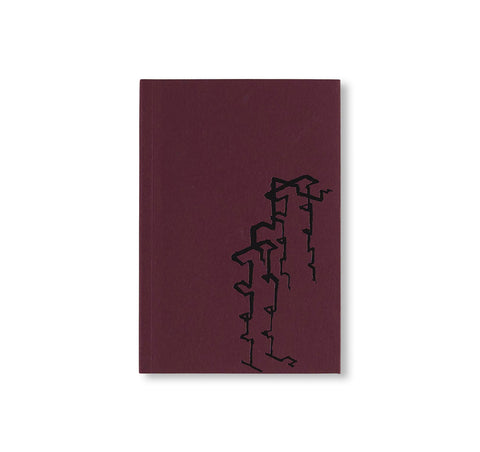
DRAWING: ANTONY GORMLEY by Antony Gormley
イギリス人彫刻家、アントニー・ゴームリー(Antony Gormley)の作品集。
1980年から現在にいたるドローイング実践を初めて包括的に概観する本書において、彫刻家である作者は、自らの制作を支える思想、プロセス、歴史を振り返る。
「ドローイングとは何か」。作者は本書の序文でこう問いかける。「描くためには何が必要なのか」。本書は、40年におよぶ作者のドローイング実践を初めて総合的に紹介するものであり、1980年から現在までのヴィジョンと制作方法を知るための窓を開く。主に夜、「内なる領域へと退きやすい」時間に制作されたドローイングは、魂の実験的な旅を表し、代表的なインスタレーション作品に対する親密な対位法となっている。
本書は、今日活動する作家のなかでも高い批評的評価を受ける一人である作者の創造的な仕事を、もうひとつの年譜として示す。本書では、これまで比較的知られてこなかった40年にわたる仕事が、より詳細に明らかにされている。ドローイングは、「Early Drawings」や「Loose Earth」から「Cosmic」「Learning to Think」まで、複数のテーマに沿って構成され、作者自身の言葉による思考や省察が随所に挿入されている。
小説家ジャネット・ウィンターソン(Jeanette Winterson)、美術史家W. J. T. ミッチェル(W. J. T. Mitchell)、美術理論家マーガレット・アイヴァーセン(Margaret Iversen)、菌類学者マーリン・シェルドレイク(Merlin Sheldrake)による新たな論考も収録され、作者の仕事に対して、思考を促し、ときに心を揺さぶる応答を寄せている。本書は、作者のドローイングを親しみやすく概観する一冊であり、初めてペン、あるいは作者が用いてきた亜麻仁油、牛乳、血液を手に取ろうとする人々に創造的な刺激を与えるとともに、「私たちの内なる風景の無防備な部分へ、あるいは未知の外部へ」と旅立とうとするすべての人に向けられている。結局のところ、作者が思い起こさせるように、「描かずに過ぎた一日は、失われた一日」なのだから。
In this first comprehensive overview of his drawing practice from 1980 to the present, artist and sculptor Antony Gormley reflects on the ideas, processes, and histories behind his craft.
“What is drawing?” artist and sculptor Antony Gormley asks in his prologue to Drawing: Antony Gormley. “What does it take to draw?” This book, the first to provide a complete overview of four decades of Gormley’s drawing practice, offers a window into his vision and working methods from 1980 to the present. His drawings—produced mostly at night, when “it is easier to withdraw into the inner realm”—represent experimental journeys of the soul, providing an intimate counterpoint to his landmark installations.
Drawing: Antony Gormley is an alternative chronology of the creative output of one of the most critically respected artists working today, told through forty years of work for which he is less well known and now more closely revealed in this volume. The drawings are organized into themes—from “Early Drawings” and “Loose Earth” to “Cosmic” and “Learning to Think”—and punctuated with thoughts and reflections by Gormley, in his own words.
New essays by novelist Jeanette Winterson, art historian W. J. T. Mitchell, art theorist Margaret Iversen, and mycologist Merlin Sheldrake also provide thought-provoking and sometimes soul-stirring responses to Gormley’s work. This book offers an accessible overview of his drawings, providing creative inspiration to those who would like to pick up a pen—or linseed oil, or milk, or blood, all of which Gormley has used—for the first time, or anyone setting off on a journey “into the unarmed parts of our internal landscape, or out into the unknown.” After all, as Gormley reminds us, “a day passed without drawing is a day lost.”


![FORMATION by Antony Gormley [SPECIAL EDITION]](http://twelve-books.com/cdn/shop/files/print_02_large.jpg?v=1757323494)