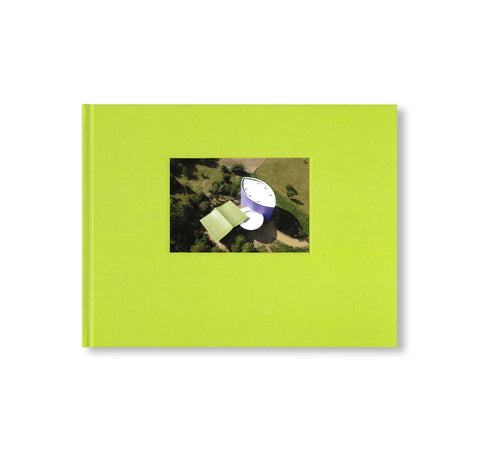
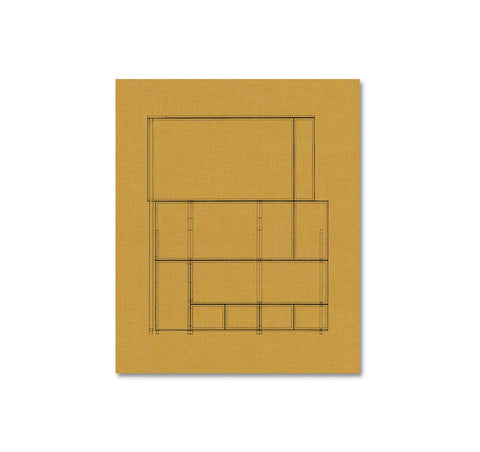
COLLECTED WORKS: VOLUME 3 2010–2020 by Caruso St John
アダム・カルソ(Adam Caruso)とピーター・セント・ジョン(Peter St John)によって設立されたロンドンを拠点とする建築事務所、「カルソ・セント・ジョン(Caruso St John)」の作品集。
本書は『COLLECTED WORKS: VOLUME 1 1990-2005 by Caruso St John』(2022年)、『COLLECTED WORKS: VOLUME 2 2000–2012 by Caruso St John』(2023年)、に続く『COLLECTED WORKS』シリーズの第3巻。
2010年から2020年にかけて同事務所は、幅広いプロジェクトを通して、繊細さと個性を兼ね備えた建築における評価をさらに確立した。スイス、ドイツ、ベルギーの都市中心部における主要な建築物では、都市のランドマークが現代において果たし得る役割が探究される一方、より小規模な住宅プロジェクトにおいては、修復、素材、色彩に関する実験の機会がもたらされた。愛されてきた公共機関から長らく放置された産業施設に至るまで、建築の再利用に向けた改修は、既存のものと向き合う姿勢を強調し、新たな建設の加速する生産体制に加わるのではなく、既存のものと向き合うあり方を示す実践の焦点となった。さらに、メモリアル、展覧会、美術館のための設計は、記憶への関わりと、過去を現在へと生きたものとしてつなぐ姿勢をいっそう発展させている。
高く評価を受けてきたシリーズの第3巻となる本書は、2010年から2020年までの多作な時期を、複数の主題が響き合う連なりを通して紹介する。各プロジェクトは、豊富な図面や写真、新たに執筆された解説とともに紹介され、コンペティション案、当時の批評、さらに建築家に着想と影響を与えた資料が交錯するかたちで編まれている。そこには、研究者エリザベス・ウィルソン(Elizabeth Wilson)やアーティストのグレース・ンディリトゥ(Grace Ndiritu)によるテキスト、ルネサンス期の建築理論家レオン・バッティスタ・アルベルティ(Leon Battista Alberti)から建築家ロジャー・ディーナー(Roger Diener)、画家カミーユ・ピサロ(Camille Pissarro)からフォトグラファーのベルント&ヒラ・ベッヒャー夫妻(Bernd and Hilla Becher)に至るまで、多様な参照が含まれる。回顧録として編纂された本書は、内省的かつ示唆に富み、批評的でもあり、喫緊の現代的課題に応答しながら、世界で最も重要な建築設計事務所のひとつである「カルソ・セント・ジョン」による成熟期の仕事に間近に触れる機会を提供する。
Between 2010 and 2020, Caruso St John expanded its reputation for sensitive and characterful architecture through a remarkable range of projects. Major buildings in the heart of Swiss, German, and Belgian cities explored the role urban landmarks can play in the present day, while smaller domestic projects provided the opportunity for experiments in restoration, materials, and colour. Transforming buildings for reuse – from beloved public institutions to long-abandoned industrial sites – became a focal point for the practice as it sought to emphasise its work with the existing rather than contribute to the escalating production of new construction. Their designs for memorials, exhibitions, and museums further developed this engagement with memory and an aliveness to the past.
The third volume of Caruso St John’s acclaimed Collected Works series covers this prolific period via a sequence of resonant themes. Projects are presented with extensive drawings, photography, and new commentaries, interleaved with competition entries, contemporary reviews, and material that inspired and informed the architects, including texts by Elizabeth Wilson and Grace Ndiritu and references from Alberti to Roger Diener and Pissarro to the Bechers. As a retrospective, the book is reflective, allusive, and critical, engaging with urgent contemporary questions while offering a close encounter with the mature work of one of the world’s most significant architecture practices.
![THE TRIPLE FOLLY by Thomas Demand [BOX EDITION]](http://twelve-books.com/cdn/shop/files/00_5e779f72-e3e0-44ee-95f8-7be100036443_large.jpg?v=1686907446)